
Long before it became building material for houses, churches, dry-stone walls, and stećci, Herzegovinian limestone had its origins in the sea. Over millions of years, carbonate mud and the remains of marine organisms settled on the floor of the warm, shallow waters of the Tethys. Through the ages, these deposits formed rock strata that were later uplifted by movements of the Earth’s crust, becoming part of today’s Herzegovinian karst.
Traces of this ancient life in Plansko Polje were studied by Petruša Salatić, a student of the Ivo Lola Ribar Gymnasium in Bileća, under the mentorship of biology teacher Radoslav Mišo Gnjato. In her 1970 graduation paper entitled Traces of Life of the Tethys Sea in Plansko Polje, she documented collected fossils of nummulites, bivalves, gastropods, and sea urchins. The specimens were dated to the Eocene epoch, when this area lay beneath a shallow marine bay.
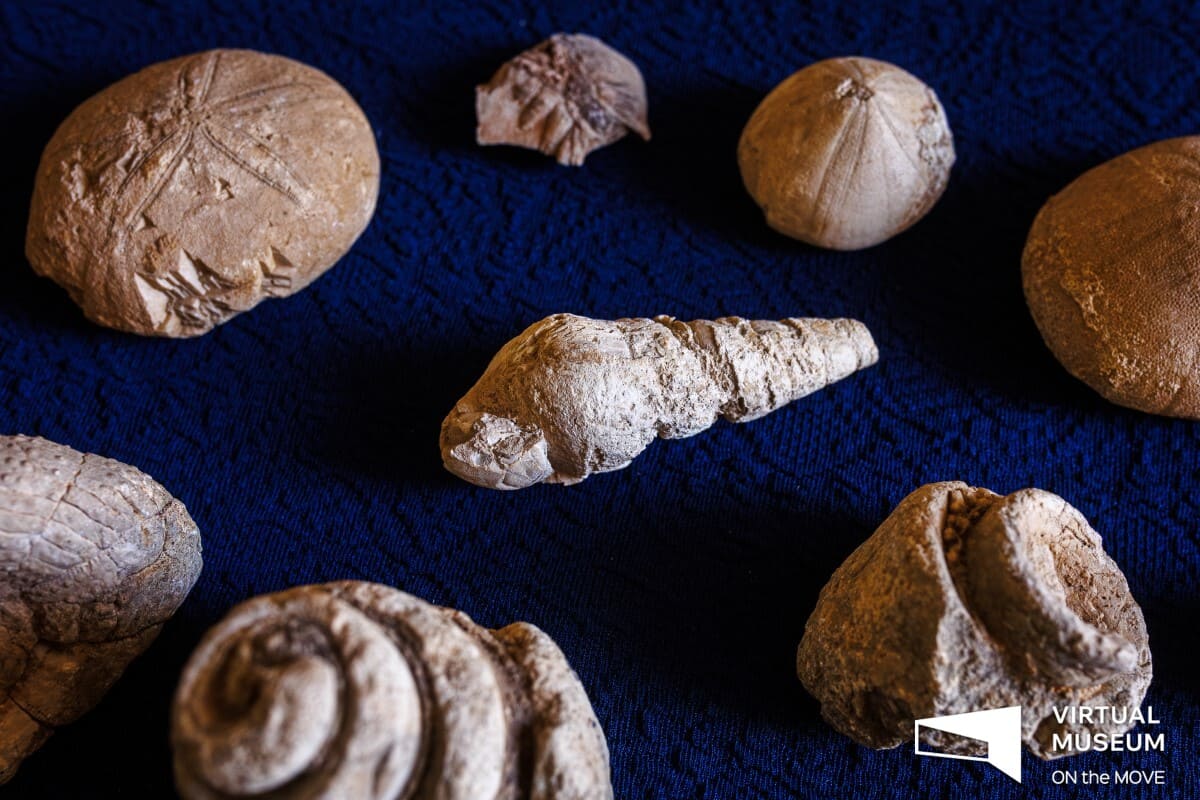
Photograph by Jovan Vidaković
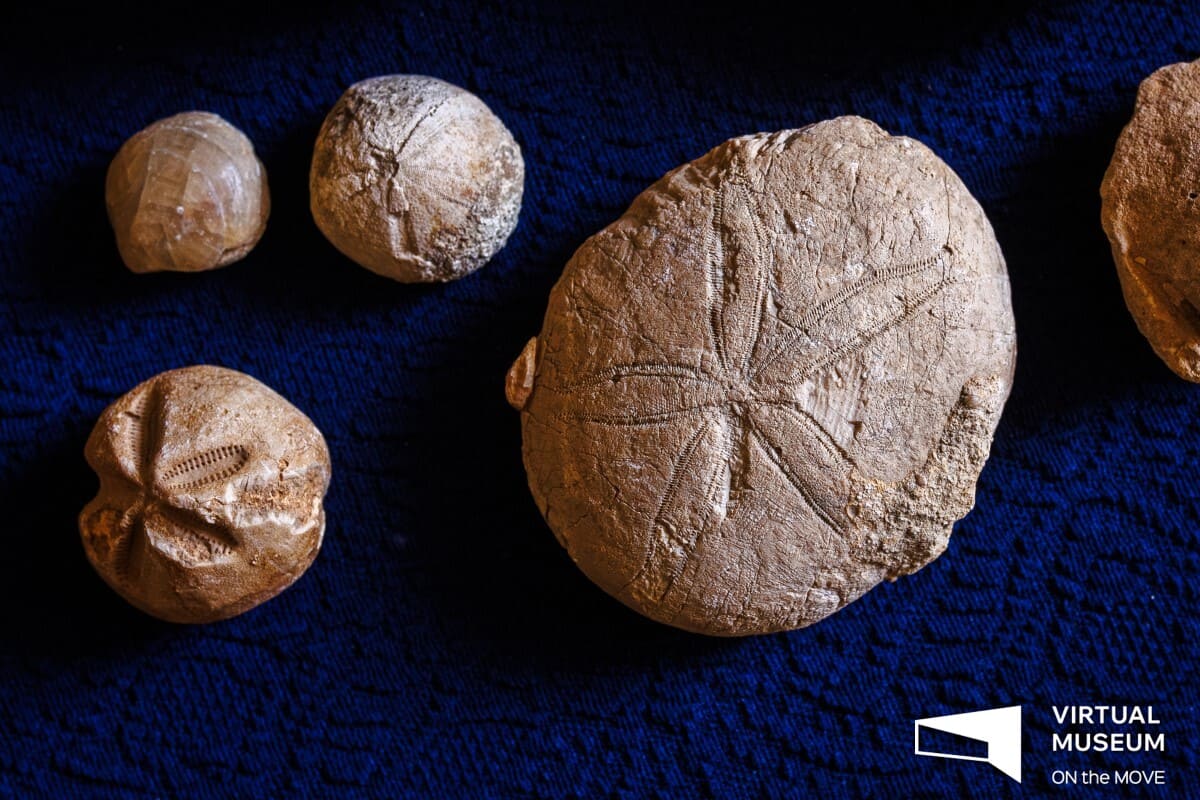
Photograph by Jovan Vidaković
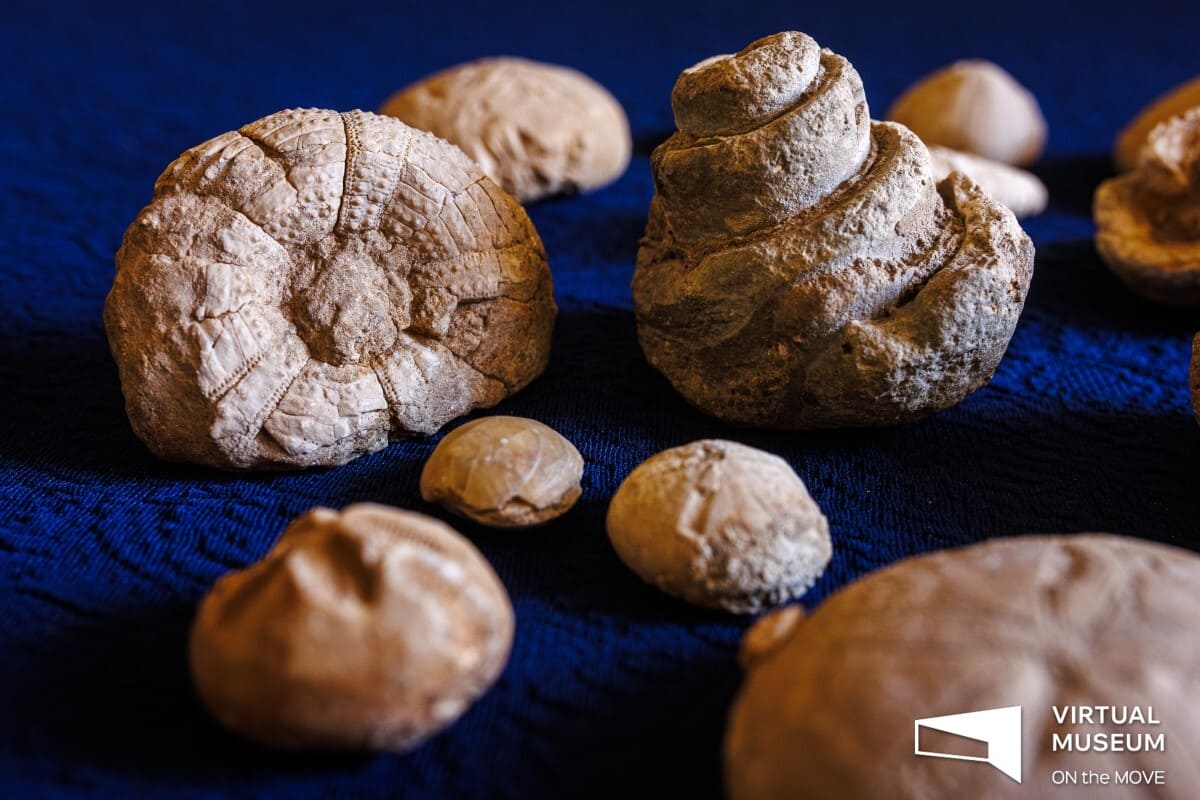
Photograph by Jovan Vidaković
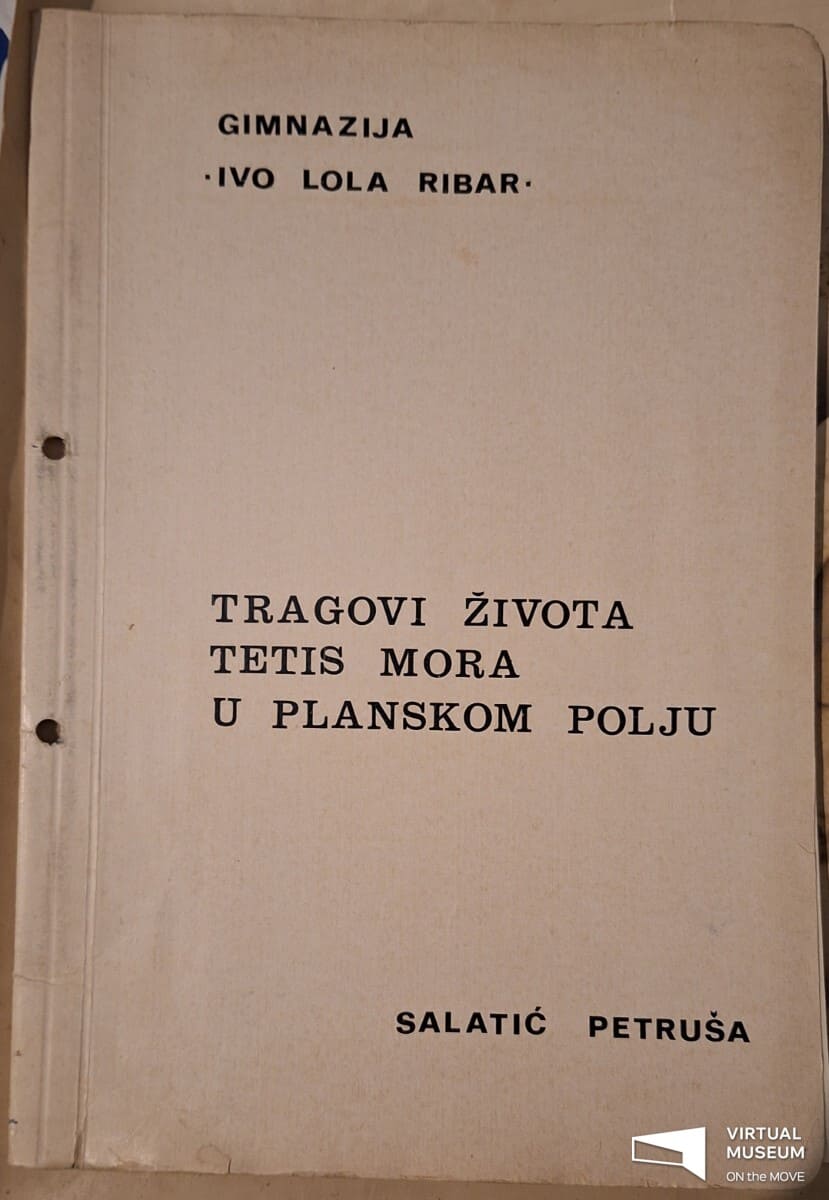
Photograph by Lazar Gnjato
The preserved paper shows how a secondary school final-year project could become a genuine research endeavour. The student carried out fieldwork, collected fossils, documented the localities, and analysed her findings using specialist scientific literature. Photographs of the landscape and specimens completed this record of the Bileća region’s natural heritage.
Alongside the story of this research, the Virtual Museum presents the fossil collection preserved as part of Professor Radoslav Mišo Gnjato’s legacy.
In the stone of this region, the ancient history of marine life meets the far younger history of the people who chiselled it, built with it, and inscribed within it the traces of their existence.